Waste-to-Farm Systems at the Institute of Urban Farming Innovation (IUHFI)
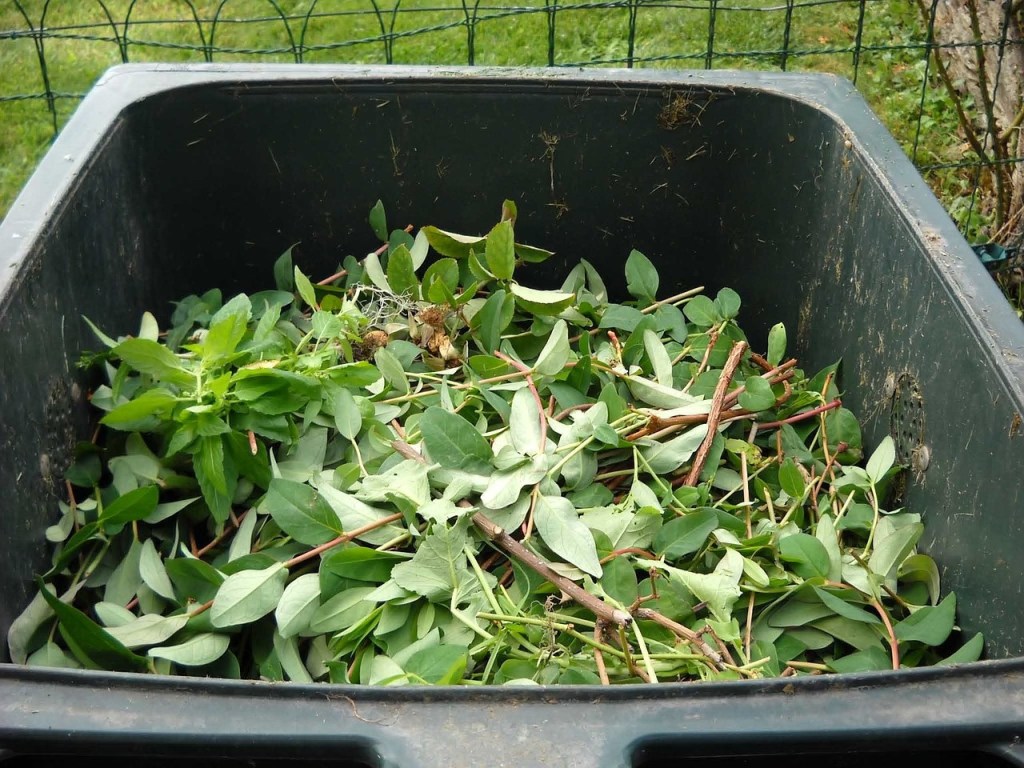
At the Institute of Urban Farming Innovation (IUHFI), we are dedicated to creating sustainable and circular urban food systems. Our Waste-to-Farm Systems focus on transforming urban organic waste into valuable resources for urban agriculture. By converting food scraps, garden clippings, and other organic materials into compost and biofertilizers, we promote sustainability, reduce landfill waste, and support healthier soil and crop growth in cities.
What Are Waste-to-Farm Systems?
Waste-to-farm systems involve collecting, processing, and repurposing organic waste to produce compost, biofertilizers, and soil amendments. These systems create a closed-loop cycle where waste is diverted from landfills and used to enrich urban farms and gardens. This practice reduces environmental impact while enhancing soil health and productivity.
Our Focus Areas
- Composting Solutions
- Developing efficient composting methods suitable for urban environments, such as community compost bins, balcony composters, and vermicomposting (worm composting) systems.
- Educating communities on proper composting practices to maximize waste reduction and soil health benefits.
- Biofertilizer Production
- Exploring anaerobic digestion techniques to produce liquid biofertilizers from organic waste. These biofertilizers offer a nutrient-rich alternative to chemical fertilizers, promoting sustainable urban farming.
- Researching the optimal blends of organic waste for different crops to enhance plant growth and soil fertility.
- Food Waste Collection and Processing
- Developing community-driven initiatives to collect food scraps from households, restaurants, and markets for composting or biofertilizer production.
- Collaborating with local municipalities to integrate waste-to-farm systems into urban waste management policies.
- Urban Garden Soil Enhancement
- Producing high-quality compost and soil amendments that improve soil structure, nutrient content, and water retention in urban farms and gardens.
- Addressing soil contamination through organic remediation techniques using waste-derived amendments.
- Circular Economy Models
- Promoting models where waste generated within a community or business is recycled into resources for local food production.
- Supporting businesses in closing the loop by managing their organic waste and using the resulting compost for rooftop gardens or employee wellness programs.
- Technology Integration
- Implementing smart composting systems that monitor temperature, moisture, and decomposition rates to optimize the composting process.
- Developing mobile apps and platforms for waste tracking, collection scheduling, and educational resources on waste reduction.
Current Projects and Initiatives
- Community Compost Hubs
- Establishing local composting hubs where residents can drop off food waste and receive compost for their gardens, fostering a sense of community involvement in sustainability.
- Restaurant Waste-to-Farm Partnerships
- Partnering with restaurants to collect food scraps and convert them into compost for nearby urban farms and community gardens, reducing food waste and supporting local food production.
- Home Composting Starter Kits
- Providing households with easy-to-use composting kits, including bins, guides, and compost accelerators, to encourage waste reduction at the household level.
- School Composting Programs
- Implementing composting systems in schools to teach students about waste management, sustainability, and soil health, while providing compost for school gardens.
- Biofertilizer Pilot Projects
- Developing small-scale anaerobic digestion systems to produce liquid biofertilizer from organic waste, supporting urban farms with sustainable nutrient solutions.
Impact of Our Work
- Waste Reduction: Diverting organic waste from landfills reduces methane emissions and overall waste footprint.
- Soil Health Improvement: Enriching urban soils with compost and biofertilizers improves fertility, structure, and moisture retention.
- Sustainability: Creating closed-loop systems that promote resource efficiency and reduce reliance on chemical fertilizers.
- Community Engagement: Empowering residents, businesses, and schools to participate in sustainable waste management practices.
- Environmental Justice: Promoting waste-to-farm solutions in underserved neighborhoods to address inequities in waste management and soil quality.
Why Waste-to-Farm Systems Matter
In cities where waste production is high and space is limited, waste-to-farm systems offer a practical and impactful solution to:
- Reduce Landfill Pressure: Diverting organic waste decreases the strain on landfills and reduces greenhouse gas emissions.
- Promote Circular Economies: Transforming waste into resources keeps valuable nutrients in the local ecosystem.
- Support Sustainable Food Production: Providing nutrient-rich compost and fertilizers improves the productivity and sustainability of urban farms.
- Enhance Urban Resilience: Building local food systems that rely on sustainable waste practices creates more resilient and self-sufficient cities.
Join Us in Closing the Loop
At IUFI, our Waste-to-Farm Systems are paving the way for a greener, more sustainable urban future. By transforming waste into valuable resources, we are turning challenges into opportunities for growth and innovation.
Join us in closing the loop, reducing waste, and cultivating healthier urban environments.
 IUFI
IUFI 